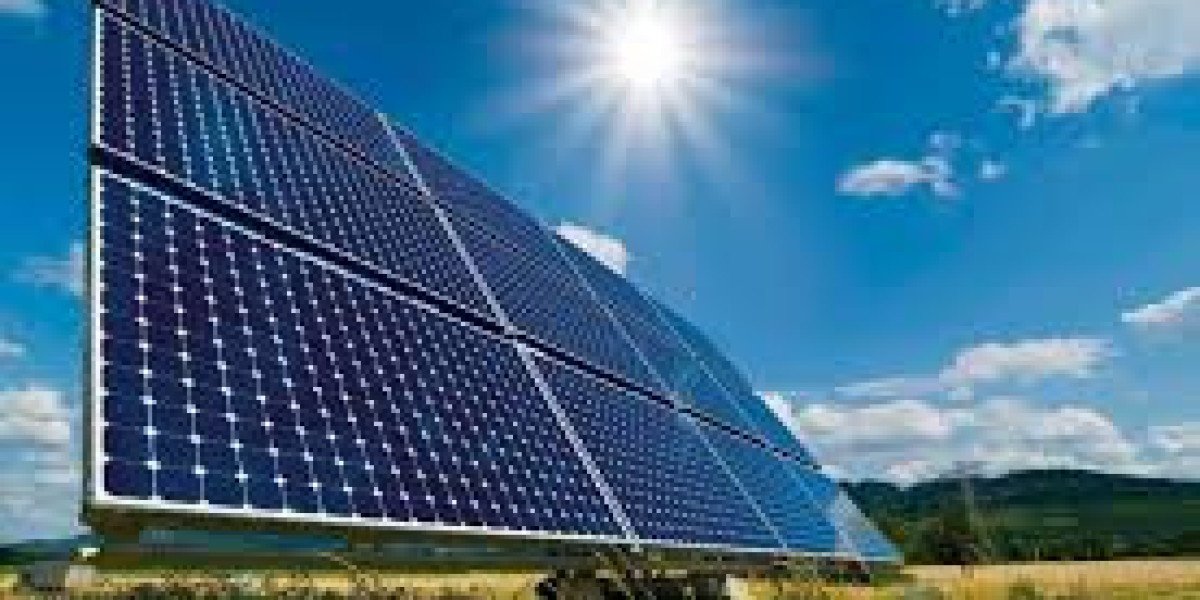

If you are considering running a 1.5 ton DC inverter AC on solar energy, you might be wondering how many solar panels are required for 1.5 ton AC. Understanding your AC’s energy consumption and solar panel capacity is crucial to designing an efficient solar system that meets your cooling needs while reducing electricity costs.
DSG Energy, a leading solar company in Pakistan, provides professional guidance and customized solar solutions to help homes and businesses achieve optimal energy efficiency.
Understanding Energy Requirements of a 1.5 Ton DC Inverter AC
A 1.5 ton AC consumes electricity based on its cooling capacity and efficiency rating. On average:
1.5 ton AC power consumption: 1.2 kW to 1.8 kW per hour (depending on usage and efficiency)
Daily usage: 8–10 hours per day
Total daily energy requirement: Approximately 10–18 kWh
Knowing your AC’s daily energy consumption helps determine the number of solar panels needed.
Calculating Solar Panel Requirements
1. Solar Panel Capacity
Solar panels are rated based on their power output, usually in watts (W). A typical solar panel provides:
250 W – 350 W per panel
The total number of panels depends on the AC’s daily energy requirement and the solar panel output.
2. Formula for Calculation
The basic formula is:
Number of Panels = Daily Energy Consumption ÷ (Panel Wattage × Sun Hours)
Daily Energy Consumption: 10–18 kWh
Average Sun Hours in Pakistan: 5–6 hours per day
Panel Wattage: 300 W (average)
Using this formula, a 1.5 ton AC would require approximately 6–10 solar panels depending on usage and efficiency.
Factors Affecting the Number of Solar Panels
1. Energy Usage Patterns
If your AC runs for more hours daily, more panels will be needed. Reducing usage or using energy-efficient AC models can reduce solar panel requirements.
2. Sunlight Availability
Sunlight intensity varies by location. Cities like Karachi, Lahore, and Islamabad receive 5–6 hours of effective sunlight daily, which affects the number of panels needed.
3. Panel Efficiency
Higher-efficiency panels produce more energy per panel, reducing the number of panels required.
4. Battery Storage
To run the AC at night or during cloudy days, battery storage is necessary. More storage may increase the total number of panels needed to charge the batteries.
DSG Energy’s Solution for AC Solar Requirements
DSG Energy provides a professional assessment and solution for running ACs on solar power:
1. Energy Assessment
Evaluate the AC’s power consumption
Consider daily usage patterns
Calculate total solar panel requirements
2. Customized Solar System Design
Select the right number of panels based on energy consumption
Recommend compatible inverters and batteries
Ensure system efficiency and reliability
3. Installation
Professional mounting of solar panels
Proper wiring and inverter installation
Integration with battery storage for uninterrupted power
4. Maintenance and Support
Regular system check-ups
Troubleshooting for AC and solar system integration
Upgrades for system efficiency
Advantages of Running 1.5 Ton DC Inverter AC on Solar
Reduced Electricity Bills: Generate your own energy, lowering monthly costs.
Environmentally Friendly: Solar energy reduces carbon footprint.
Uninterrupted Cooling: Battery storage ensures AC operation even during load shedding.
Long-Term Savings: Solar system provides long-term cost benefits compared to grid electricity.
Tips for Efficient AC Solar Usage
Use Energy-Efficient ACs: Inverter ACs consume less energy and work efficiently with solar systems.
Optimize Sunlight Exposure: Place solar panels in direct sunlight for maximum energy generation.
Regular Maintenance: Clean panels and check system performance regularly.
Monitor Energy Usage: Track AC usage and adjust accordingly to maximize solar efficiency.
Integrate with Batteries: Ensure uninterrupted AC operation during non-sunny hours.
Frequently Asked Questions (FAQs)
1. How many solar panels are required for a 1.5 ton AC?
Typically 6–10 panels of 300 W each, depending on usage, sunlight, and efficiency.
2. Can I run my AC entirely on solar energy?
Yes, with proper system sizing and battery storage, you can run your AC fully on solar energy.
3. Does the AC work at night with solar panels?
Yes, using battery storage to store daytime solar energy.
4. Will a 1.5 ton inverter AC consume less power on solar?
Inverter ACs are more energy-efficient and work well with solar energy systems.
5. How does DSG Energy help in AC solar setup?
DSG Energy provides customized assessment, solar system design, professional installation, and ongoing maintenance support.
Conclusion
Understanding how many solar panels are required for 1.5 ton AC is crucial for designing an efficient solar system. Proper planning, professional assessment, and high-quality solar components ensure that your AC operates reliably while reducing electricity bills. DSG Energy, as a trusted solar company in Pakistan, provides expert guidance, customized solar solutions, and ongoing support for residential and commercial clients, making solar-powered cooling a practical and sustainable option.