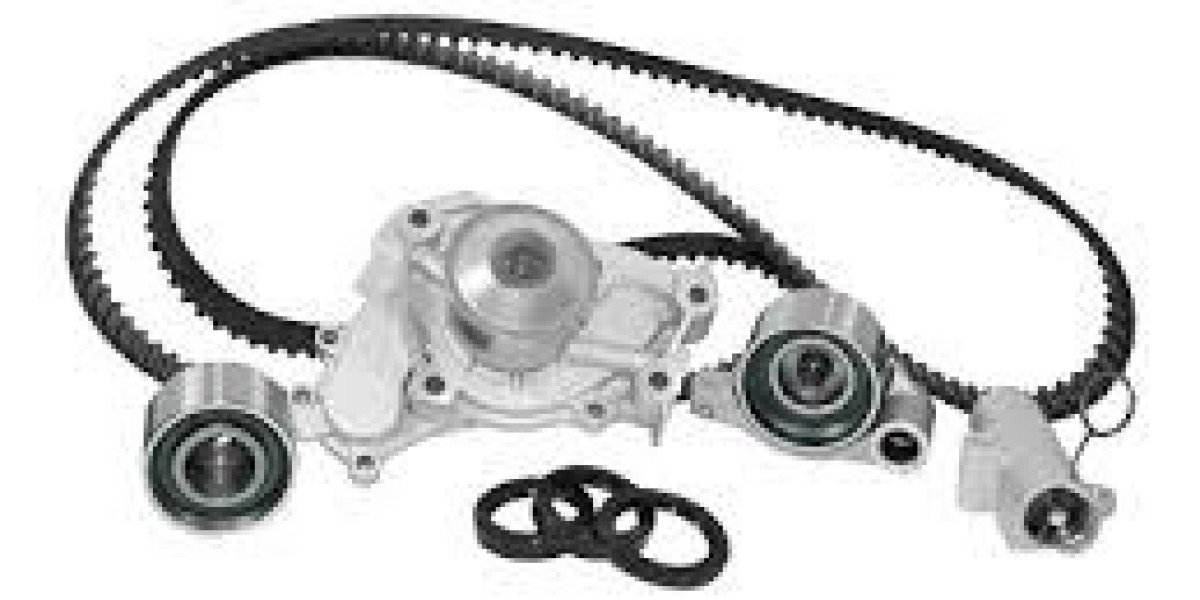

One of the most expensive and stressful car problems often starts with a small, ignored component: the timing belt. Many vehicle owners delay replacement, unaware that worn or low-quality timing belt kits can lead to sudden engine failure, roadside breakdowns, and repair bills far higher than expected. Understanding the risks and choosing the right components at the right time can save you thousands.
Why Timing Belt Failure Is a Common but Costly Mistake
Timing belts synchronize the camshaft and crankshaft, ensuring valves and pistons move in perfect harmony. When the belt slips or snaps, this balance is instantly destroyed. In interference engines, the result is bent valves, damaged pistons, and sometimes a completely ruined engine.
What makes this worse is that timing belts usually fail without warning. No loud noise, no dashboard alert—just sudden engine shutdown. That’s why relying on worn belts or incomplete replacement parts is a major gamble.
The Hidden Risks of Cheap or Incomplete Timing Belt Kits
Many drivers try to save money by replacing only the belt, not realizing that tensioners, idler pulleys, and water pumps wear at the same rate. Using low-grade components or mismatched parts increases the risk of premature failure.
High-quality timing belt kits include all critical components designed to work together. This ensures proper belt tension, smooth rotation, and long-term durability—something pieced-together replacements simply can’t guarantee.
Warning Signs You Should Never Ignore
While timing belts don’t always give clear warnings, some signs suggest trouble is approaching:
Ticking or squealing noises from the engine
Engine misfires or rough idling
Difficulty starting the vehicle
Oil leaks near the timing cover
Sudden loss of engine power
Ignoring these symptoms can turn a manageable maintenance task into a full engine rebuild.
Why Complete Timing Belt Replacement Is the Smarter Choice
Replacing a full kit instead of a single belt reduces labor costs in the long run. Since most of the expense comes from labor, it makes sense to replace all wear components at once rather than reopening the engine later.
Professionally engineered timing belt kits are vehicle-specific, ensuring correct fitment, proper alignment, and consistent performance. This not only extends service life but also restores engine reliability and fuel efficiency.
How Delaying Replacement Affects Your Vehicle’s Lifespan
A failing timing system places stress on bearings, valves, and seals. Even before total failure, worn belts can cause timing inaccuracies that reduce engine efficiency and increase emissions. Over time, this leads to poor acceleration, higher fuel consumption, and long-term mechanical wear.
Manufacturers recommend timing belt replacement based on mileage or time—whichever comes first. Ignoring this schedule is one of the most common reasons engines fail earlier than expected.
Choosing the Right Timing Belt Kit for Long-Term Reliability
Not all kits are created equal. A reliable kit should include:
High-strength, heat-resistant timing belt
Precision-engineered tensioners
Durable idler pulleys with sealed bearings
OEM-level materials for extended service life
Choosing quality components ensures smoother engine operation, reduced noise, and peace of mind on long drives.
Final Thoughts
Timing belt failure is one of the few automotive issues that offers no second chances. Once it fails, the damage is already done. Investing in a complete, high-quality timing belt kit at the right time protects your engine, your wallet, and your safety.