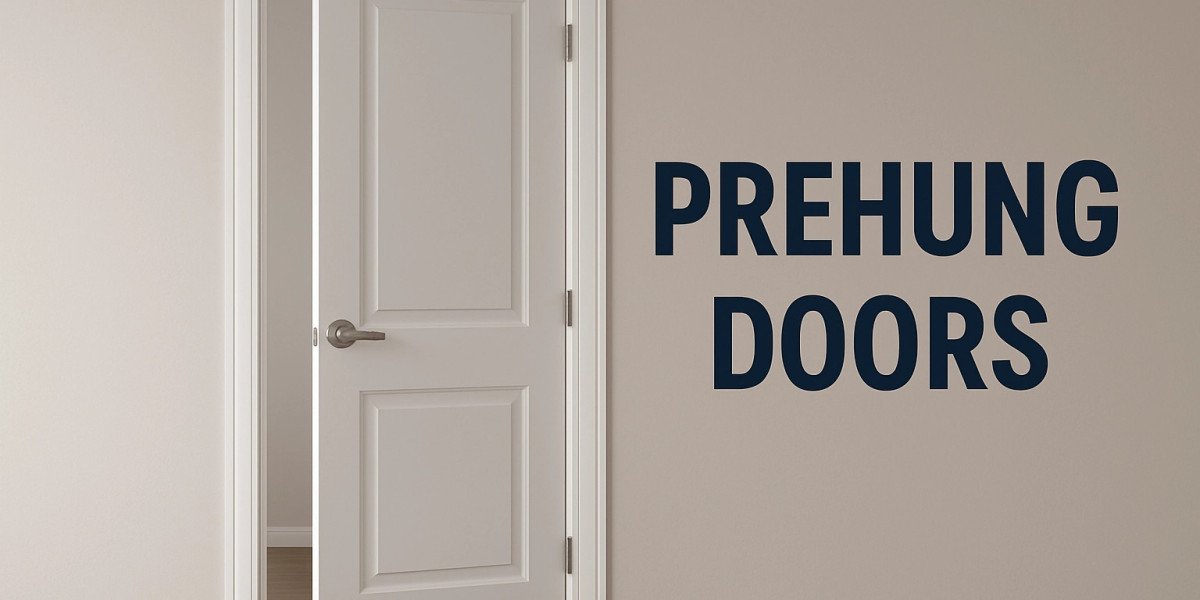

When renovating, upgrading, or building a home in Canada, one component that has a significant impact on both aesthetics and function is the door. Doors aren’t just entry points; they influence energy efficiency, security, sound transmission, and overall design cohesion. Among the different types available on the market today, prehung doors are a popular choice for homeowners, builders, and contractors alike due to their convenience, reliable installation performance, and adaptability to a wide range of architectural styles.
What Are Prehung Doors?
At their core, prehung doors are door systems that come already mounted in a frame with hinges attached and ready for installation. Unlike slab doors—which arrive as a simple door panel without hardware or framing—prehung units arrive as a complete package. This includes the door itself, a door frame (or jamb), and pre-attached hinges. In some cases, additional options such as weatherstripping, adjustable jambs, and factory-installed thresholds may be included.
This pre-assembled nature eliminates much of the guesswork and technical measurement that is typically required for retrofit installations, making them especially appealing in the Canadian market where seasonal temperature swings and draft concerns are major factors to consider.
Why Canadian Homeowners Love Prehung Doors
Canada’s climate presents unique challenges for home construction and renovation. Winters can be long, with extreme cold and heavy snowfall, while summers may be humid depending on the region. Because of this variability, the doors chosen for a home must perform well under shifting weather conditions, and offer strong insulating properties to support energy efficiency.
1. Enhanced Energy Efficiency
One of the most critical considerations for Canadian homeowners is insulation. An improperly sealed door can be a major source of heat loss in winter and heat gain in summer. Prehung doors are installed with a complete frame that can be precisely leveled and shimmed, allowing for a tighter seal between the door and wall structure. Proper installation reduces air infiltration—something that directly supports lower heating and cooling costs, especially in provinces like Alberta, Ontario, and Quebec where temperature swings are significant.
2. Ease of Installation
For professional builders and DIY homeowners alike, time is money. Prehung doors drastically reduce installation complexity compared to fitting a slab door into an existing frame. Because the door is already fitted within the jamb, this minimizes on-site adjustments. All that’s typically required is leveling the frame, securing it in place, and finalizing trim work. This can shorten labour time and reduce the likelihood of installation errors that could affect how smoothly the door operates.
3. Superior Fit and Finish
A door that looks great and functions smoothly starts with proper alignment. Prehung door units are assembled by manufacturers under controlled conditions, ensuring that the door swings correctly, aligns with the frame, and seals as intended. This is especially important when installing exterior doors in high-profile entryways where both aesthetic appeal and long-term performance matter.
Choosing the Right Prehung Door for Your Canadian Home
Selecting a door is not just about picking any unit that fits the rough opening in your wall. There are several factors Canadian buyers should weigh:
Material Options
Fibreglass: Excellent for exterior doors due to resistance to moisture, cracking, and rot. Fibreglass also provides good insulation and can mimic the look of wood.
Steel: Highly durable and secure, steel doors are popular for front entrances. Many are insulated with foam cores, which help with thermal performance.
Wood: A classic choice for interior doors or covered exterior entries. Wood doors offer a warm aesthetic and can be stained or painted, but they require more maintenance in harsher climates.
For interior applications, solid core units provide enhanced sound insulation and durability, whereas hollow core doors are budget-friendly but less substantial.
Energy Efficiency Ratings
In Canada, it’s wise to choose doors with ratings that align with national and provincial energy codes. ENERGY STAR®-rated doors can help homeowners qualify for incentives and rebates while ensuring high thermal performance. Look for products with a good R-value (measure of thermal resistance) to fight heat loss in the winter.
Hardware and Security
Consider locking systems, deadbolts, and handles that are designed for Canadian weather conditions. Corrosion resistance is important, especially in coastal regions like British Columbia where salt-laden air can degrade hardware.
Style and Design
From modern minimalist to classic carriage-house designs, prehung doors are available in a spectrum of styles. Many Canadian homeowners choose glass-paneled exterior units to allow natural light into foyers, while interior doors are selected to match room aesthetics and trim profiles.
Installation Tips for Canadian Conditions
Whether you’re a professional carpenter or a weekend DIYer, proper installation makes all the difference. Here are a few tips especially relevant to Canadian climates:
Ensure a Level and Plumb Frame
The frame must be perfectly level and plumb before securing it. Use shims to correct any imbalance between the opening and the door unit. This helps prevent binding, sticking, or improper sealing—issues that can worsen with seasonal movement of framing materials.
Seal and Insulate Correctly
Exterior door installations should include the use of foam insulation around the jamb and high-quality weatherstripping to prevent drafts. Spray foam insulation specifically designed for door and window frames can fill gaps without bowing the frame.
Check Threshold Seals
In regions with heavy rainfall or snow, such as parts of Ontario and British Columbia, ensuring that threshold seals are properly installed is crucial to divert water away from your home’s interior.
Long-Term Value for Canadian Homeowners
Investing in quality door systems provides both functional and financial returns. A well-installed exterior door with strong insulation properties can reduce utility bills year over year. Interior units can enhance sound control and provide a polished look that boosts resale appeal. Because prehung units reduce installation uncertainties, many professional builders regard them as a standard component in new builds and major renovations across Canada.
Final Thoughts
Choosing the right door system matters—especially when you’re balancing aesthetics, durability, ease of installation, and performance in a climate as varied as Canada’s. Prehung doors offer a practical solution that saves time, improves energy performance, and delivers a reliable fit that works with many design preferences. Whether you’re updating a family home in Nova Scotia, building a contemporary residence in Alberta, or renovating a townhouse in Ontario, these pre-assembled door units make it easier to get the job done right the first time.