
Solid color flooring has become a defining element of modern interior design. Known for its clean aesthetic, versatility, and durability, it offers a perfect balance between style and function. Whether used in residential, commercial, or industrial spaces, solid color flooring creates a seamless foundation that enhances architecture rather than competing with it.
This article explores what solid color flooring is, its benefits, popular materials, design applications, and how to choose the right option for your space.
What Is Solid Color Flooring?
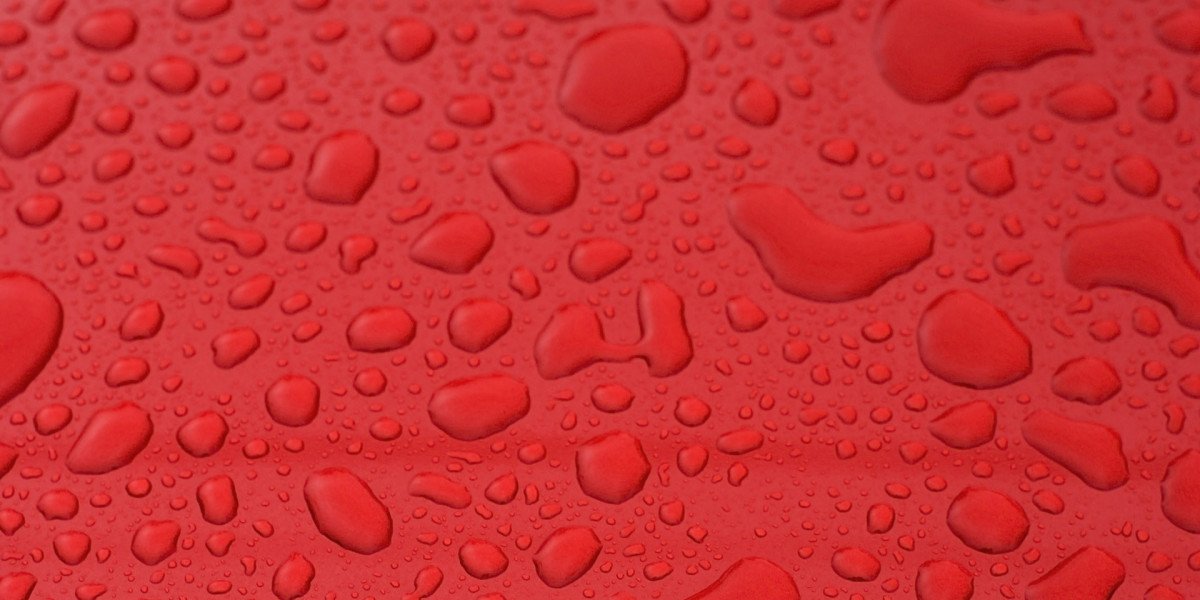
Solid color flooring refers to floor surfaces manufactured or finished in a single, uniform color without visible patterns, grains, or veining. Unlike wood-look or stone-patterned floors, solid color flooring emphasizes simplicity, consistency, and visual continuity.
It is commonly found in materials such as:
Vinyl (LVT, SPC, PVC)
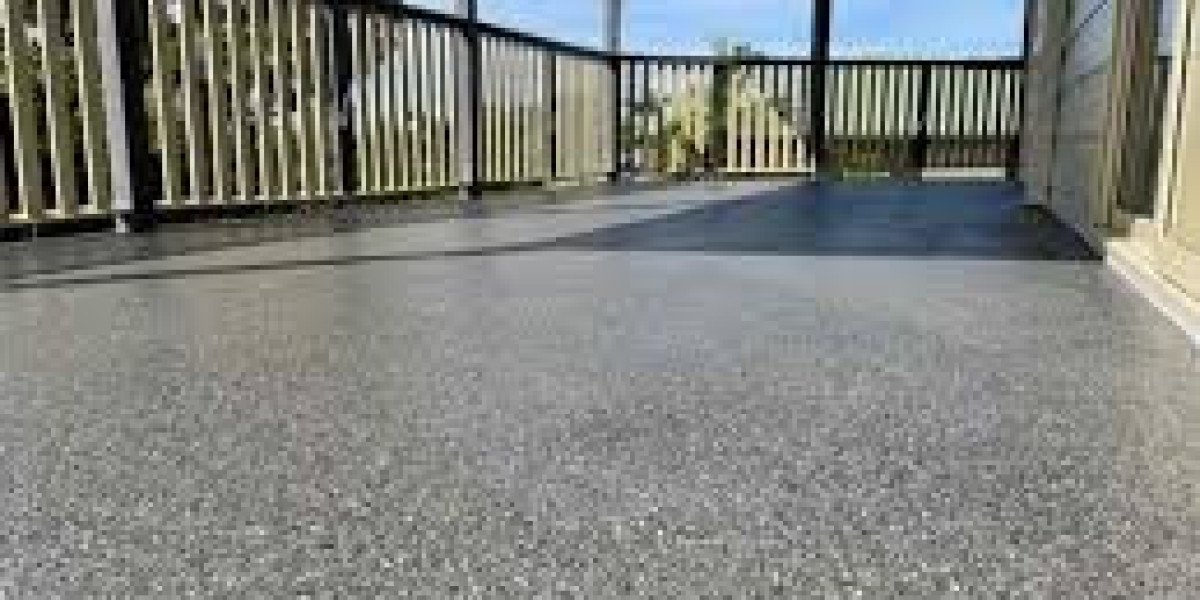
Epoxy and resin flooring
Rubber flooring
Linoleum
Polished or stained concrete
Ceramic and porcelain tiles
Key Benefits of Solid Color Flooring
1. Clean and Minimal Aesthetic
Solid color flooring provides a sleek, uncluttered look that complements modern, minimalist, and industrial interiors. It allows furniture, lighting, and architectural features to stand out without distraction.
2. Visual Space Enhancement
Uniform color floors create a sense of openness and flow. Light colors can make small rooms feel larger, while dark tones add depth and sophistication to expansive spaces.
3. Design Versatility
Available in virtually any color, solid color flooring adapts easily to:
Residential interiors
Corporate offices
Retail spaces
Hospitals and laboratories
Educational facilities
It can serve as a neutral base or a bold design statement.
4. Easy Maintenance
Most solid color flooring options are designed for durability and low upkeep. Dirt, dust, and minor imperfections are less noticeable, and many materials resist stains, moisture, and wear.
5. Long-Term Consistency
Unlike patterned flooring where damage can disrupt the design, solid color floors maintain a consistent appearance even after repairs or partial replacements.
Popular Materials for Solid Color Flooring
Vinyl Flooring (LVT, SPC, PVC)
Water-resistant and durable
Comfortable underfoot
Ideal for homes, offices, and retail spaces
Available in matte, satin, or glossy finishes
Epoxy & Resin Flooring
Seamless and highly durable
Chemical and impact resistant
Common in hospitals, factories, and garages
Modern, high-end appearance
Rubber Flooring
Slip-resistant and shock-absorbing
Excellent for gyms, schools, and healthcare facilities
Eco-friendly options available
Linoleum Flooring
Made from natural materials
Antibacterial and sustainable
Popular in educational and medical environments
Concrete Flooring
Industrial and contemporary appeal
Can be polished, stained, or dyed
Extremely durable and low maintenance
Design Applications and Color Choices
Neutral Tones
White, gray, beige, and taupe are timeless choices that suit nearly any interior style. They are ideal for offices, living spaces, and commercial interiors where flexibility is essential.
Bold Colors
Deep blues, greens, reds, or black flooring make a strong visual impact and are often used in retail, hospitality, and creative spaces.
Soft Pastels
Muted tones like sage green, pale blue, or blush add warmth and personality without overwhelming the space.
High-Gloss vs. Matte
Glossy finishes reflect light and create a luxurious look
Matte finishes hide scratches better and offer a more natural feel
How to Choose the Right Solid Color Flooring
When selecting solid color flooring, consider the following:
Purpose of the Space – High-traffic areas require durable materials like vinyl, epoxy, or concrete.
Moisture Exposure – Bathrooms, kitchens, and basements need water-resistant flooring.
Maintenance Requirements – Choose finishes that match your cleaning preferences.
Lighting Conditions – Dark floors absorb light, while light floors reflect it.
Budget and Lifespan – Balance initial cost with long-term performance.
Why Solid Color Flooring Is a Smart Investment
Solid color flooring is more than a design trend—it’s a long-term solution. Its adaptability allows spaces to evolve without needing a full flooring replacement. As interior styles change, solid color floors remain relevant, practical, and visually appealing.
From minimalist homes to high-performance commercial environments, solid color flooring delivers durability, elegance, and design freedom in equal measure.
Final Thoughts
If you’re looking for a flooring solution that combines timeless aesthetics, modern performance, and unmatched versatility, solid color flooring is an excellent choice. With a wide range of materials, colors, and finishes available, it offers endless design possibilities while meeting practical demands.