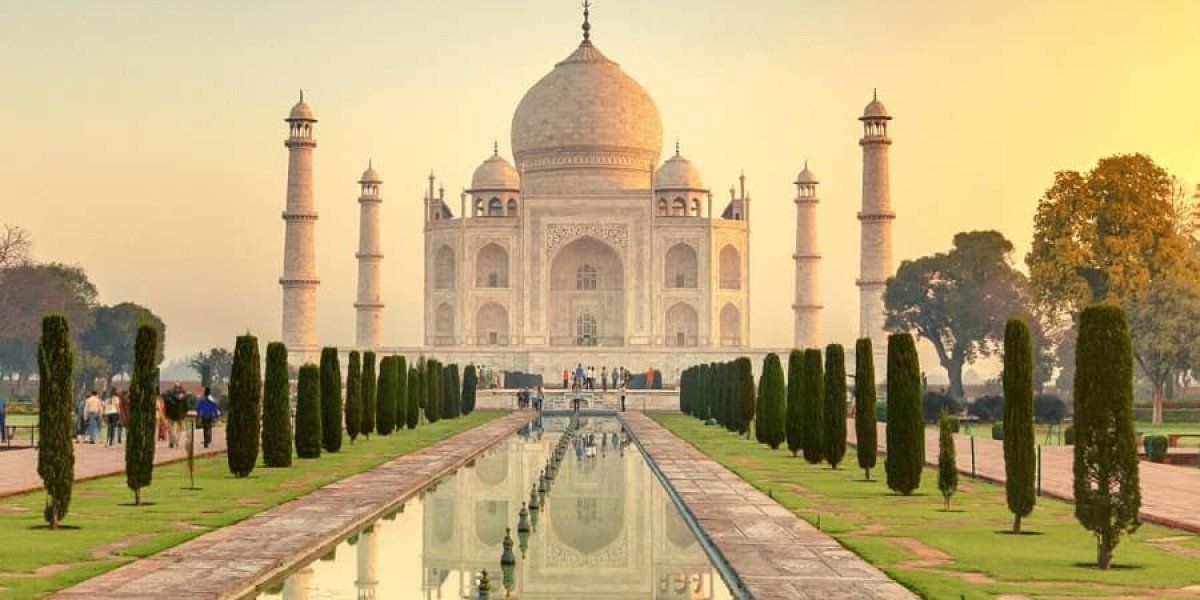

Mughal architecture stands as one of the most beautiful art forms in Indian history. It blends Persian, Islamic, and Indian styles into one rich design language. When people think about Mughal architecture, one monument comes to mind before all others—the Taj Mahal.
The Taj Mahal sits in Agra and attracts millions of visitors every year. People admire its beauty, balance, and emotional story. Emperor Shah Jahan built this monument in memory of his wife Mumtaz Mahal. The Taj Mahal does not only tell a love story. It also explains the core ideas of Mughal architecture most clearly. Many travelers choose a Taj Mahal Tour Package to explore this wonder in a planned and comfortable way.
This article explains Mughal architecture step by step through the Taj Mahal. You will understand its design, materials, symbolism, and influence in simple words.
Understanding Mughal Architecture
Mughal architecture developed during the Mughal Empire in India. The style grew between the 16th and 18th centuries. Mughal rulers loved art, gardens, and grand buildings. They wanted architecture to show power, faith, and beauty.
Mughal architecture focuses on:
Perfect symmetry
Large domes
Tall minarets
Detailed decoration
Balanced gardens
Builders used geometry to create harmony. Every structure followed a clear plan. Mughal architects paid attention to light, space, and proportion.
The Taj Mahal shows all these features in one place. That makes it the best example to understand Mughal architecture.
Historical Background of the Taj Mahal
Emperor Shah Jahan ruled the Mughal Empire during its golden age. He loved architecture and built many monuments. His wife Mumtaz Mahal died in 1631 during childbirth. Her death deeply affected him.
Shah Jahan decided to build a grand tomb to honor her memory. Construction of the Taj Mahal started in 1632 and continued for about 22 years. Thousands of artisans, stone cutters, and craftsmen worked on the project.
The Mughal Empire had great wealth at that time. Shah Jahan used the best materials and artists from India, Persia, Central Asia, and the Ottoman region.
The Taj Mahal became a symbol of love, loss, and artistic perfection.
Layout and Planning of the Taj Mahal
The Taj Mahal follows a clear and balanced layout. Mughal architects believed in order and symmetry. The entire complex reflects this belief.
The monument stands on the banks of the Yamuna River. The complex includes:
A grand entrance gate
A long garden
A raised marble platform
The main mausoleum
Four minarets
A mosque and a guest house
The garden follows the Charbagh style. This garden divides into four equal parts with water channels. The design represents paradise as described in Islamic texts.
Every structure aligns perfectly with the central tomb. Even the minarets tilt slightly outward to protect the main dome during earthquakes.
This planning shows the intelligence and vision of Mughal architects.
Use of Materials in Mughal Architecture
Mughal builders chose materials carefully. They believed materials should reflect beauty and durability.
The Taj Mahal uses:
White marble from Makrana
Red sandstone for nearby buildings
Semi-precious stones like jade, turquoise, and lapis lazuli
White marble gives the Taj Mahal its soft glow. The surface changes color with sunlight. It looks pink in the morning, white at noon, and golden under moonlight.
Mughal architects used red sandstone to create contrast. This contrast highlights the purity of the marble tomb.
The use of rich materials shows Mughal love for luxury and fine taste.
Architectural Elements Seen in the Taj Mahal
The Taj Mahal displays many classic Mughal architectural elements.
The Central Dome
The large onion-shaped dome rises gracefully over the tomb. It symbolizes the heavens. The dome dominates the structure and creates a sense of balance.
Minarets
Four tall minarets stand at the corners of the platform. They frame the main tomb and add vertical beauty.
Arches
Large pointed arches appear on all sides. These arches create depth and allow light to enter.
Chhatris
Small domed pavilions, called chhatris, sit around the main dome. They add elegance and reflect Indian influence.
These elements together define Mughal architecture clearly.
Decorative Art and Craftsmanship
Decoration plays a key role in Mughal architecture. The Taj Mahal shows some of the finest decorative work ever created.
Calligraphy
Artists carved Quranic verses on the walls. The calligraphy uses black marble. The letters grow larger at the top to appear equal from the ground.
Floral Designs
Delicate flowers cover the walls. Artists carved these designs directly into marble.
Pietra Dura Work
Craftsmen inlaid semi-precious stones into marble. This technique creates colorful flowers and vines. Each stone fits perfectly without glue.
This level of detail shows the patience and skill of Mughal artisans.
Symbolism in Mughal Architecture
Mughal architecture often carries deep meaning. The Taj Mahal reflects strong symbolism.
The white color represents purity and peace. The perfect symmetry reflects balance in life and the universe. The garden symbolizes paradise.
The tomb stands at the center, showing the importance of Mumtaz Mahal in Shah Jahan’s life.
Even the river behind the monument adds meaning. It reflects the idea of eternity and flow of time.
Mughal architects did not build only for beauty. They built with purpose and emotion.
Engineering Brilliance of the Taj Mahal
The Taj Mahal also shows advanced engineering skills.
Builders laid a strong foundation using wells filled with stone and mortar. This method supports the heavy marble structure even today.
Architects designed the minarets with a slight outward lean. This design protects the main tomb during natural disasters.
The dome uses a double-shell structure. This design reduces weight and improves stability.
Water management systems brought water to the gardens through underground channels.
These techniques prove the technical excellence of Mughal builders.
Comparison with Other Mughal Monuments
The Mughal Empire produced many great monuments. Each one shares similarities with the Taj Mahal.
Humayun’s Tomb
Humayun’s Tomb in Delhi inspired the Taj Mahal. It introduced the Charbagh garden and dome style.
Red Fort
The Red Fort shows Mughal power and military strength. It uses red sandstone instead of marble.
Jama Masjid
Jama Masjid reflects religious architecture. It focuses on space and congregation.
The Taj Mahal combines beauty, emotion, and perfection more clearly than any other Mughal monument.
Influence of the Taj Mahal on Later Architecture
The Taj Mahal influenced many later buildings in India and abroad.
British architects admired its symmetry and design. Many colonial buildings show Mughal elements.
Modern architects still study the Taj Mahal for lessons in proportion and harmony.
Many memorials around the world copy its style, domes, and gardens.
The Taj Mahal remains timeless because its design speaks to all cultures.
Preservation and Conservation
The Taj Mahal faces many threats today. Pollution, weather, and heavy tourism affect the marble.
The Indian government and UNESCO work to protect the monument. Authorities restrict traffic near the site. They also use mud therapy to clean marble surfaces.
Regular monitoring helps maintain the structure. Conservation teams focus on preserving original materials and techniques.
Protecting the Taj Mahal ensures that future generations can learn from Mughal architecture.
Why the Taj Mahal Is the Finest Example of Mughal Architecture
The Taj Mahal represents the peak of Mughal architectural achievement.
It combines:
Perfect symmetry
Rich materials
Skilled craftsmanship
Deep symbolism
Advanced engineering
No other monument blends emotion and design so beautifully.
The Taj Mahal explains Mughal architecture without words. Every stone, line, and pattern tells a story.
That is why historians, architects, and travelers consider it the finest Mughal monument.
Conclusion
Mughal architecture reflects beauty, balance, and meaning. The Taj Mahal stands as its greatest expression. It shows how art, love, and science can come together in one structure. Through its design, materials, and symbolism, the Taj Mahal teaches us about Mughal values and vision. It remains more than a tourist attraction. It stands as a lesson in architectural excellence. When we study Mughal architecture through the Taj Mahal, we understand why it still inspires the world today.