
Introduction
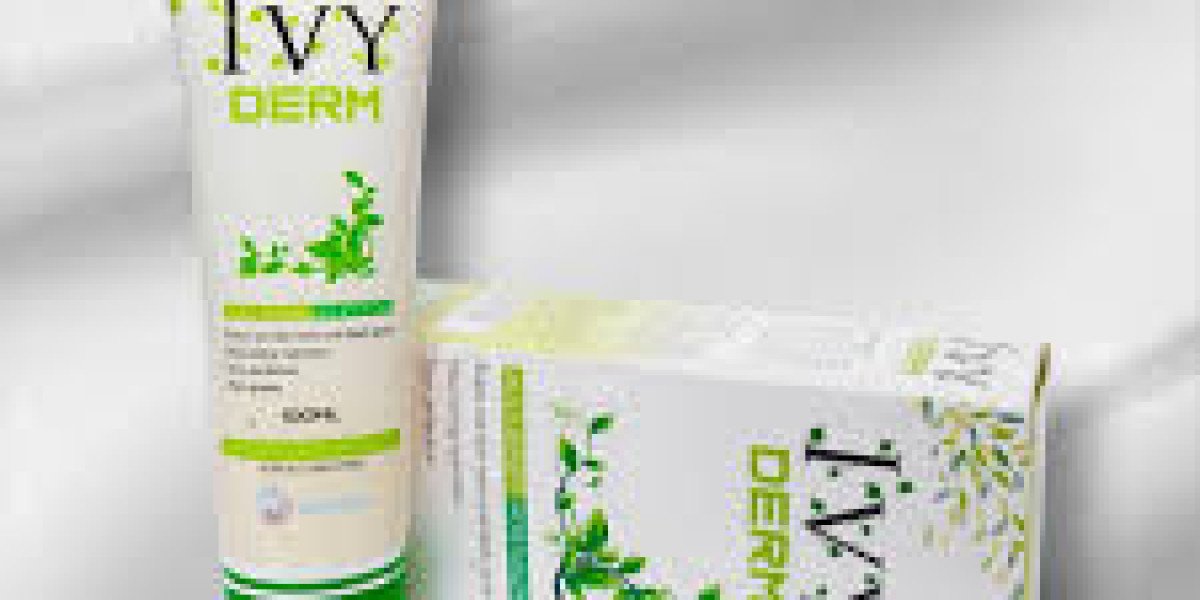
Ivy Dry Cream is a topical formulation commonly used to relieve itching, redness, and discomfort caused by skin irritation—most notably reactions from poison ivy, poison oak, and poison sumac. Designed to soothe inflamed skin and promote drying of weeping rashes, this type of cream is a staple in many first-aid kits and dermatological care routines.
This article provides a comprehensive, balanced overview of Ivy Dry Cream: what it is, how it works, when to use it, and how to apply it safely and effectively.
What Is Ivy Dry Cream?
Ivy Dry Cream is a medicated or semi-medicated topical cream formulated to:
Calm inflamed skin
Reduce itching and burning sensations
Dry oozing or weeping rashes
Support the skin’s natural healing process
While formulations vary by brand, many Ivy Dry Creams contain ingredients such as zinc oxide, calamine, menthol, camphor, or mild astringents. Some versions may also include soothing botanical extracts or skin protectants.
How Ivy Dry Cream Works
Skin reactions caused by poison ivy and similar plants occur due to urushiol oil, which triggers an allergic response. Ivy Dry Cream works in several complementary ways:
Soothing Irritation – Cooling and calming ingredients help reduce itching and discomfort.
Drying Action – Astringent or protective components help dry weeping blisters and rashes.
Barrier Protection – The cream forms a protective layer over the skin, reducing further irritation from friction or environmental exposure.
Skin Recovery Support – By minimizing scratching and inflammation, the cream helps the skin heal more efficiently.
Common Uses
Ivy Dry Cream is most often used for:
Poison ivy, poison oak, and poison sumac rashes
Mild allergic skin reactions
Insect bites
Minor skin irritation caused by plants or environmental exposure
It is intended for external use only and is best suited for mild to moderate skin reactions.
Key Benefits
Fast itch relief without heavy or greasy residue
Non-staining formulas in many products
Easy application for home or travel use
Suitable for short-term use during flare-ups
Many users appreciate Ivy Dry Cream for its targeted relief and quick-drying feel compared to ointments.
How to Use Ivy Dry Cream Safely
To get the best results, follow these general steps:
Clean the affected area gently with mild soap and cool water.
Pat dry—do not rub irritated skin.
Apply a thin layer of Ivy Dry Cream to the affected area.
Allow it to dry before covering with clothing.
Reapply as directed, typically up to several times daily.
Always read and follow the instructions on the product label.
Precautions and Considerations
Do not apply to broken skin unless the label specifically allows it.
Avoid contact with eyes, mouth, and mucous membranes.
Discontinue use if irritation worsens or signs of infection appear.
Consult a healthcare professional for severe, spreading, or persistent rashes.
Keep out of reach of children unless approved for pediatric use.
Ivy Dry Cream vs. Other Treatments
| Treatment Type | Primary Benefit | Best For |
|---|---|---|
| Ivy Dry Cream | Drying and soothing | Weeping rashes, itching |
| Calamine Lotion | Cooling relief | Mild irritation |
| Hydrocortisone Cream | Anti-inflammatory | Redness and swelling |
| Oral Antihistamines | Systemic relief | Severe itching or allergies |
In some cases, a healthcare provider may recommend combining treatments for optimal relief.
When to See a Doctor
Seek medical advice if:
The rash covers a large area of the body
Symptoms last longer than 7–10 days
Swelling affects the face, eyes, or genitals
Signs of infection (pus, fever, increasing pain) occur
Conclusion
Ivy Dry Cream is a practical, effective solution for managing itchy, irritated skin caused by poison ivy and similar exposures. By soothing inflammation, drying rashes, and protecting the skin, it helps restore comfort and supports healing when used correctly.
As with any topical treatment, proper application and awareness of limitations are key. For more serious reactions, professional medical care is always the safest option.