
Root rot is one of the most frustrating problems growers face in hydroponic farming. Plants that once appeared healthy can suddenly start wilting, slowing down, or showing discolored leaves. Often, the issue begins below the surface where roots sit constantly in water. Since hydroponic plants depend entirely on the nutrient solution for hydroponics, any imbalance in water quality, oxygen, or hygiene can quickly affect root health. Recognizing early signs and understanding the causes helps prevent serious crop loss.
What Is Root Rot in Hydroponics?
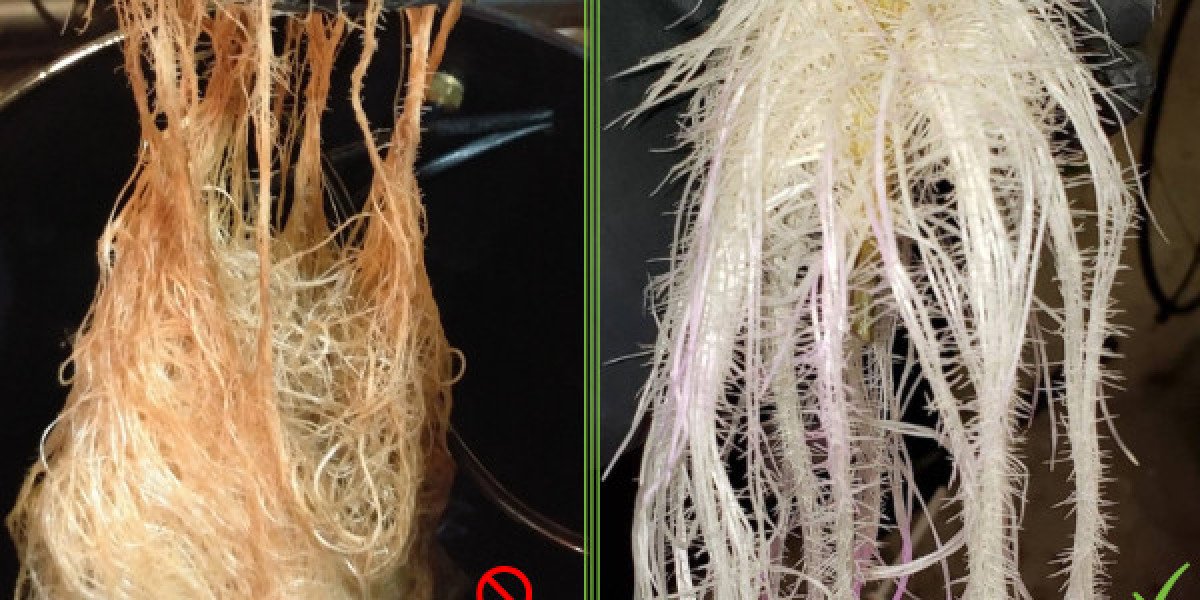
Root rot is usually caused by harmful microbes thriving in wet, poorly oxygenated conditions. These pathogens attack plant roots, reducing their ability to absorb nutrients and water. Healthy roots should look white and firm, but infected roots often appear brown, slimy, and may produce an unpleasant smell.
This problem can occur in any hydroponic system, from small home setups to commercial hydroponic farming operations. Because hydroponics removes soil as a buffer, plants react faster to environmental stress.
➝ Low Oxygen Levels in the Root Zone
One of the primary causes of root rot is insufficient oxygen. Roots need oxygen to function properly, even when submerged in water. Without proper aeration, roots weaken, making them more vulnerable to pathogens.
Air stones, pumps, and proper water circulation help maintain oxygen levels. Many growers in controlled environment agriculture use continuous aeration to keep root zones active and healthy.
➝ Poor Water Temperature Control
Warm water encourages microbial growth. When reservoir temperatures rise above recommended levels (generally around 18–22°C), harmful bacteria and fungi multiply quickly.
Maintaining stable water temperature is essential for preventing root diseases. Cooling systems, shading reservoirs, or proper indoor climate management can help protect roots in vertical farming systems and greenhouse setups.
➝ Nutrient Imbalance and EC Issues
Improper nutrient strength can also contribute to root stress. Excessively high EC levels may cause nutrient burn, weakening roots and making them susceptible to infection. Low nutrient levels can also slow growth, reducing plant resistance.
Balanced hydroponics nutrients and regular monitoring of EC and pH in hydroponics help maintain root health. When the hydroponic nutrient solution pH level stays stable, nutrient absorption improves and stress reduces.
➝ Contaminated Equipment or Water
Unclean reservoirs, pipes, or growing trays can introduce pathogens into the system. Once contamination starts, it can spread rapidly through circulating water.
Routine cleaning, sterilizing equipment, and replacing old nutrient solution reduce the risk of infection. Using filtered or RO water often improves consistency in the hydroponic solution.
➝ Overcrowded Root Systems
Plants placed too closely can restrict airflow around roots and increase moisture buildup. This environment encourages microbial growth and reduces oxygen availability.
Proper spacing helps maintain airflow and prevents excessive humidity around root zones. This is especially important in high-density hydroponic farming systems.
Effective Solutions for Root Rot
- Improve Aeration: Ensure air pumps and circulation systems are working efficiently. Increased oxygen helps roots recover and discourages harmful microbes.
- Maintain Clean Systems: Regular cleaning of reservoirs, pipes, and containers prevents contamination. Hygiene is critical in both small setups and large commercial farms.
- Control Water Temperature: Keep reservoir temperatures within safe ranges to reduce pathogen growth.
- Adjust Nutrient Balance: Maintain a balanced nutrient solution for hydroponics with proper EC and pH levels to reduce plant stress.
- Use Beneficial Microbes Carefully: Some growers introduce beneficial bacteria to compete with harmful pathogens, helping maintain root health.
Prevention Tips for Long-Term Success
Preventing root rot is easier than curing it. Consistent monitoring of oxygen levels, water temperature, nutrient balance, and system cleanliness keeps plants resilient. Modern controlled environment agriculture setups often use sensors to maintain stability, but even small growers can follow simple routines for success.
Healthy roots lead to stronger plants, better nutrient absorption, and improved yields. A stable hydroponic environment reduces surprises and keeps plant growth predictable.
Conclusion
Hydroponic root rot usually develops quietly but can escalate quickly if ignored. Oxygen deficiency, warm water, poor hygiene, and nutrient imbalance are common triggers. Maintaining a balanced nutrient solution for hydroponics, stable environmental conditions, and clean equipment helps prevent most issues.
With careful monitoring and timely adjustments, growers can protect root health and maintain steady plant growth. Strong roots are the foundation of successful hydroponic farming, whether in home setups or commercial operations.